

The 125K RFID reader handheld PDA is an all-in-one terminal built for dedicated low-frequency card reading applications, supporting close-range tag reading and continuous multi-tag identification, and delivering stable performance in specialized tasks like access control verification, animal identification, and low-frequency anti-counterfeiting checks. It integrates low-frequency card reading and dedicated on-site management into a single device, making every identification process direct and highly efficient. For enterprises with concentrated low-frequency RFID identification demands, this 125K handheld PDA provides a highly targeted operation solution. This article introduces its practical application methods from aspects including dedicated feature highlights, task workflow arrangement, parameter calibration, data organization and equipment maintenance specifications.
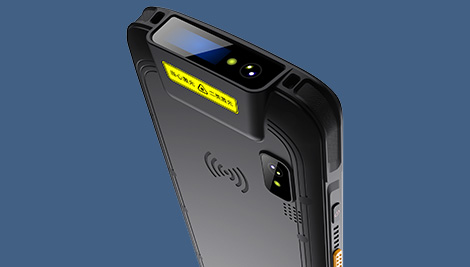
Core Features of Dedicated Low-Frequency Card Reading
The 125K RFID reader handheld PDA stands out with distinct specialized advantages. Its low-frequency identification delivers stable performance and accurate readings when tags are placed close to the sensing area. It also features strong signal penetration, so non-metallic obstructions will not interfere with normal identification. This dedicated card reading design allows the 125K handheld PDA to maintain consistent and reliable performance in targeted application scenarios.
This specialized design also reflects precise application focus. Scenarios like access control verification and animal identification have highly targeted operation workflows, and the 125K RFID reader handheld PDA is engineered to fit these exact workflows, ensuring straightforward operation and high working efficiency.
Workflow Arrangement for Dedicated Low-Frequency Card Reading
Smooth dedicated operations require reasonable workflow planning. The 125K RFID reader handheld PDA system supports clear operation zone division, so identification targets can be placed nearby to reduce unnecessary walking; the reading sequence can be planned clearly to ensure full coverage of all targets; the identification rhythm can be well controlled to keep all collected data clear and organized.
A well-structured workflow keeps the dedicated identification process moving forward steadily. All operation records remain continuous and complete, handover responsibilities are clearly defined, and the whole dedicated task can be carried out in an orderly and efficient manner.
Practical Dedicated Applications of Low-Frequency Card Reading
Low-frequency card reading is the core specialized capability of this PDA. Operators can hold the device close to low-frequency tags, and the corresponding identity information will be displayed instantly; when reading multiple tags continuously, all identification results will be recorded one by one automatically. This dedicated application design greatly improves the efficiency of verification and inventory tasks.
In access control verification and animal inventory scenarios, the 125K RFID reader handheld PDA maintains exceptionally stable reading performance. The dedicated low-frequency card reading application makes every specialized operation accurate and highly efficient.
Low-Frequency Identification for Access Control Verification
Access control verification is one of the most typical use cases for the 125K RFID reader handheld PDA. Operators hold the device close to low-frequency access cards, identity information is confirmed instantly, and the system will compare the data with access control system records to complete verification in seconds.
Verification data can be seamlessly docked with the enterprise management system, so all access records are kept complete and traceable. The 125K RFID reader handheld PDA makes access control verification standardized, efficient, and supports finer access management.
Low-Frequency Application for Animal Identification
In animal identification scenarios, the 125K RFID reader handheld PDA reads information from animal ear tags, the corresponding animal ID and complete file will be displayed instantly, and the identification record will be generated automatically.
The collected identification data can be connected directly with farming management archives, making whole-process animal management far more efficient. The 125K RFID reader handheld PDA runs stably in tasks like epidemic prevention registration and livestock inventory.
Tag Compatibility for Low-Frequency Card Reading
Broad tag compatibility is another key specialized advantage of this PDA. Different forms of low-frequency tags, including card-style tags, button tags, animal ear tags and more, can all be read smoothly, giving users great flexibility in tag selection.
This compatibility advantage allows the handheld terminal to adapt to different enterprises' existing tag usage habits, and even mixed use of old and new low-frequency tags can be identified uniformly, which effectively protects users' previous equipment investment.
Parameter Calibration for Low-Frequency Card Reading
Proper parameter calibration can significantly improve the operation performance of the 125K RFID reader handheld PDA. Users can adjust the induction sensitivity according to specific tag types to ensure stable identification; configure data formats to match the requirements of your existing management system for seamless docking; and adjust feedback prompts to fit your team's usual operation habits for clearer operation feedback.
After calibration, conduct on-site tests to confirm the actual performance. When the operation environment changes, re-evaluate and adjust parameters accordingly, so the 125K RFID reader handheld PDA can always maintain stable identification performance.
Data Archiving for Low-Frequency Card Reading
Standardized data archiving rules ensure that all data collected by the 125K RFID reader handheld PDA remains usable. All identification data can be sorted and classified clearly with a countable number of entries; data can be archived on a scheduled basis to make all historical records traceable; regular data backups are performed to keep all data safe and reliable.
Archiving helps identification results be deposited in time. Users can export and summarize data periodically to form complete identity and asset archives, providing strong support for operation analysis and workflow optimization.
Error Prevention for Dedicated Low-Frequency Card Reading
Built-in error prevention mechanisms greatly enhance the reliability of the 125K RFID reader handheld PDA. It prevents unauthorized access during access control verification, avoids archive mismatching during animal identification, and blocks counterfeit products in anti-counterfeiting checks, by comparing real-time identification data with preset business rules.
With proper error prevention mechanisms in place, every dedicated identification result becomes more trustworthy. The PDA delivers stable performance in all error prevention applications and makes overall management more standardized.
Error prevention coverage extends across all main dedicated scenarios, and identification data can be linked dynamically with business rules. The error prevention mechanism of this RFID handheld terminal keeps getting optimized, making dedicated management more and more standardized.
Configuration Guide for Low-Frequency Card Reading Terminal
The configuration points for this PDA are clear and easy to follow. Set identification parameters according to your specific scenario to ensure reliable reading; complete network configuration to connect with your management system for timely data synchronization; customize the operation interface according to your workflow to make operations more direct.
After configuration, run full tests and verification to confirm that the dedicated operation runs smoothly. With proper configuration, the 125K RFID reader handheld PDA will deliver stable and efficient dedicated applications.
Equipment Maintenance for Low-Frequency Card Reading Devices
Proper maintenance specifications for the 125K RFID reader handheld PDA guarantee long-term reliable use. Keep the induction sensing area clean at all times to ensure smooth identification; charge and discharge the battery in a standard way to maintain stable battery life; avoid strong impacts, bumps and water immersion to protect the device's core components.
Check the identification function and system status regularly, and update the software in time. With proper maintenance, the 125K RFID reader handheld PDA will keep supporting your dedicated low-frequency card reading operations efficiently for a long time.
Frequently Asked Questions
Q: What is the identification distance of the 125K RFID reader handheld PDA? A: Its effective reading range is relatively short, and the most stable performance is achieved when the tag is placed close to the induction area.
Q: How to manage the dedicated verification data collected by the device? A: Sort and classify identification data for archiving, perform regular data backups, so all historical records remain fully traceable.
Q: Can the identification parameters be adjusted? A: Yes, parameters can be adjusted according to your specific tag types and application scenarios, and on-site tests are recommended after calibration to confirm performance.
Q: Are there any restrictions on tag forms? A: Common low-frequency tags including card-style tags, button tags, animal ear tags and other mainstream low-frequency tag forms can all be read normally.
Q: Is the equipment maintenance complicated? A: No, it is very simple. You only need to keep the induction area clean, charge the battery properly, and perform regular routine inspections.
Final Words
The 125K RFID reader handheld PDA relies on its professional low-frequency identification capability to serve core scenarios including access control verification, animal identification and low-frequency anti-counterfeiting. With proper dedicated workflow arrangement, reasonable parameter calibration and standardized data archiving, the 125K RFID reader handheld PDA makes all your low-frequency card reading dedicated operations highly efficient and reliable.