

In the wave of digital transformation, industries like logistics, warehousing, retail, and healthcare face unprecedented efficiency challenges. Traditional manual recording and barcode scanners suffer from low productivity and error-prone data, while Android-based traceability PDAs emerge as a "secret weapon" for cost reduction, featuring intelligent OS, high-precision scanning, and real-time data sync.
This guide dives deep into technical specs, application scenarios, and selection criteria, with real-world cases and pitfalls to avoid – helping you pinpoint the ideal device for your business.
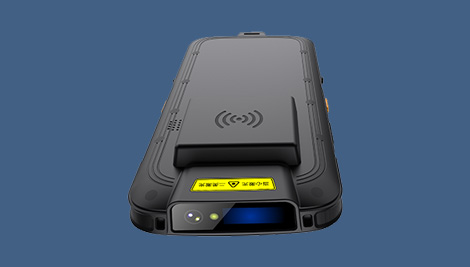
Part 1: Android OS – The "Brain" of Traceability PDAs
1. Open Ecosystem, Superior Compatibility
Unlike closed-system legacy PDAs, Android devices (with 90%+ market share) seamlessly integrate with ERP/WMS systems:
Custom API development: Build modules like cold-chain monitoring or batch tracking.
Multitasking: Scan, photograph, and print labels in one step (50%+ efficiency gain).
2. Touchscreen UX, Faster Training
Smartphone-like UI reduces training time from 3-5 days to under 2 hours. Proven results:
82% fewer picking errors in e-commerce warehouses.
30% labor cost savings.
3. Cutting-Edge Hardware
Modern Android PDAs feature:
Octa-core CPU + 4GB RAM for complex apps.
5.5" HD sunlight-readable display with glove mode.
IP65 rating for harsh environments.
Part 2: 6 Game-Changing Applications
Scenario 1: Logistics
Dynamic route optimization via shelf QR codes.
Real-time inventory alerts (60% stockout reduction).
Scenario 2: Retail
Product traceability (scan for origin/QC reports).
Personalized member coupons.
Scenario 3: Healthcare
Dual-frequency scanning for drug tracking.
Cold-chain temperature logs with alarms.
Scenario 4: Asset Management
RFID batch reading (50+ tags within 3m).
Offline mode for no-network zones.
Scenario 5: Apparel
Multi-SKU management for chaotic inventories.
Defect tracking (70% faster returns).
Scenario 6: Government
Blockchain-backed food traceability.
Mobile law enforcement data sync.
Part 3: 5 Make-or-Break Parameters
1.Scan Engine
Laser (for electronic screens) vs. red light (paper barcodes).
5-80cm adjustable depth.
2.Battery
8+ hours continuous scanning + fast charge (50% in 30 mins).
Prefer removable batteries.
3.Networking
Dual-band Wi-Fi 6 + 4G/5G.
Private network support.
4.Durability
IP65 minimum + 1.5m drop resistance.
-20℃ to 60℃ operating range.
5.Support
Local spare parts depots.
Trade-in policies.
Part 4: Case Study – Dairy Manufacturer
Problem: 12% complaint rate due to manual data entry.
Solution:
Android PDA + MES for end-to-end scanning.
Photo documentation tied to batch numbers.
Results:
$65K annual labor savings.
Returns dropped from 8% to 1.2%.
Won "Transparent Factory" award.
Limited-Time Offers
✅ Free Custom Solution (First 20 inquiries).
✅ 30-Day Trial (Free shipping/returns).
✅ Download: 2025 PDA Selection Whitepaper.
Conclusion
Android PDAs are no longer optional but critical infrastructure. Choosing the right device equips your business with a "digital nervous system."