

In the wave of digital transformation in the alcohol retail industry, the direct-operated chain model has gradually become mainstream due to its standardized management and economies of scale. However, the particularities of alcoholic goods—high value, perishability, multiple SKUs, and strong anti-counterfeit requirements—pose severe challenges to traditional operational models. As a terminal carrier of IoT technology, the Ultra-High Frequency (UHF) Handheld PDA is reshaping the operational logic of direct-operated alcohol chains through its core capabilities of precise identification, efficient coordination, and data penetration, building a fully digitalized closed loop from the supply chain to end consumers.
I. Operational Pain Points in Direct-Operated Alcohol Chains and Technological Breakthroughs
Traditional direct-operated alcohol systems have long faced three core contradictions:
Inventory Management Imbalance: Goods like baijiu and red wine have high per-unit value, but store display space is limited. Dynamic inventory and sales rhythms are hard to align, leading to simultaneous risks of delayed replenishment and overstocking.
Anti-Counterfeit Traceability Dilemmas: Issues of counterfeit alcohol and product diversion persist despite repeated prohibitions. Consumer trust crises regarding product authenticity directly impact brand value.
Operational Efficiency Bottlenecks: Manual inventory counting is time-consuming and labor-intensive. Disconnected data between logistics distribution and store sales result in sluggish supply chain responses.
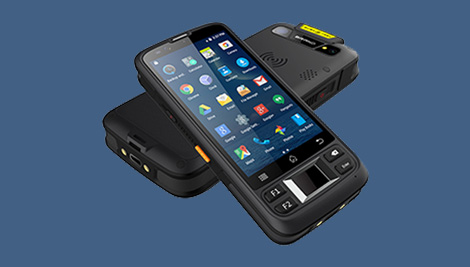
The introduction of the UHF Handheld PDA essentially involves the deep integration of RFID technology and mobile terminals, seamlessly connecting the physical and digital worlds. Its core technical advantages include:
Rapid Multi-Tag Reading: A single scan can simultaneously identify hundreds of UHF electronic tags, with an error rate below 0.001%.
Penetrative Identification Capability: Accurately reads data even through obstacles like packaging boxes and metal containers.
Dynamic Data Interaction: Real-time data upload to the cloud via 4G/5G or Wi-Fi enables omnichannel inventory visualization.
II. Analysis of Core Application Scenarios for UHF Handheld PDAs
1. Smart Warehousing: From "Man Finds Goods" to "Goods Find Man"In central warehouses of direct-operated chains, UHF handheld devices can complete three key tasks:
Rapid Receiving and Shipping: Scanning pallet tags automatically verifies entire batch information, increasing receiving efficiency by 300%.
Dynamic Inventory Counting: Automatically identifies inventory changes while moving along shelves, reducing error rates from 3% in traditional methods to below 0.01%.
Intelligent Sorting: Combines algorithm-recommended optimal picking paths, shortening new employee training cycles by 70%.
Practical data from a winery shows that after adopting UHF technology, warehouse turnover rates increased by 45%, and labor costs decreased by 28%, truly achieving "active inventory, flowing capital."
2. Store Operations: Making Every Bottle "Speak"In retail stores, UHF Handheld PDAs build three-dimensional interactions among consumers, products, and sales assistants:
Precise Display Management: Scanning shelf tags retrieves data on product expiration dates and display locations, automatically generating replenishment lists.
Intelligent Sales Assistance: Sales assistants scan product tags to access professional content like origin stories and tasting guides, increasing average transaction value by 15%–20%.
Anti-Theft Alerts: Unpaid items passing through exits automatically trigger sound and light alarms, reducing shrinkage rates by 80%.
3. Logistics Tracking: Full-Link Visibility to Prevent DiversionAddressing the chronic industry issue of product diversion, UHF technology constructs a three-tier protection system:
Encrypted Outbound Shipping: Each bottle’s electronic tag is embedded with a unique encrypted code at the factory, forming a three-level binding with logistics box and pallet tags.
Path Tracking: Handheld devices automatically record Beidou/GPS locations and timestamps at logistics nodes, creating tamper-proof transport trajectories.
Consumer Authentication: End consumers can scan bottle tags via store PDAs to verify product circulation paths, building a direct trust chain between brand and consumer.
III. Value Upgrade Path Driven by Technology Integration
The value of UHF Handheld PDAs extends far beyond tool replacement, with deeper strategic significance in three dimensions:
1. Data Assetization: From Experiential Decision-Making to Algorithm-Driven OperationsTraditional alcohol operations rely on store managers' personal experience, while dynamic data collected by UHF devices can as:
Regional Heat Maps: Analyze sales hotspots across different stores and time periods to guide precise distribution.
Lifecycle Models: Track full-cycle data from warehouse entry to sale for optimizing procurement strategies.
Anomaly Warning Systems: Automatically identify risks like overstocking and slow-moving items for preemptive intervention.
2. User Experience Upgrade: Creating Immersive Consumption ScenariosThrough UHF technology extensions, direct-operated stores can achieve:Smart Recommendations: Push customized alcohol combinations based on consumer purchase history.
Interactive Experiences: Scanning bottles triggers virtual sommelier explanations, enhancing brand stickiness.
Instant Delivery: Real-time synchronization of store inventory with delivery platforms enables "19-minute express delivery."
3. Supply Chain Collaboration: Building an Industrial Internet EcosystemWhen all direct-operated stores, distributors, and logistics providers connect to the same UHF data platform, it forms:
Demand Forecasting Networks: End sales data inversely drives production planning adjustments.
Flexible Supply Chains: Achieve customized "one location, one strategy" production based on regional consumption characteristics.
Financial Risk Control: Provide supply chain financial services to distributors based on actual circulation data.
IV. Implementation Challenges and Countermeasures
Although the value of UHF Handheld PDAs has been verified, enterprises still need to overcome three hurdles during implementation:
Device Adaptability: Diverse alcohol packaging materials (e.g., ceramic bottles, metal boxes) require customized antenna designs.
Data Security: Establish blockchain notarization mechanisms to prevent encrypted information from being cracked.
Organizational Innovation: Promote digital capability upgrades among frontline staff through "device + training + incentive" packages.
In the era of stock competition in the alcohol industry, UHF Handheld PDAs are no longer mere efficiency tools but strategic pivots for enterprises to reconstruct operational logic and reshape competitive barriers. Those who first complete the closed-loop layout of "device-data-ecosystem" will ultimately master the discourse power to define industry rules in the deep waters of digitalization.