

In today's rapidly developing power industry, the stable operation of electrical equipment is crucial for maintaining normal social production and residential life. Traditional manual inspection methods suffer from low efficiency, missed inspections, and difficult data management. The emergence of power inspection PDA data loggers provides the power industry with an efficient, precise, and intelligent solution. This article will deeply analyze the core functions of power inspection PDA data loggers, highlighting their unique value in power inspections.
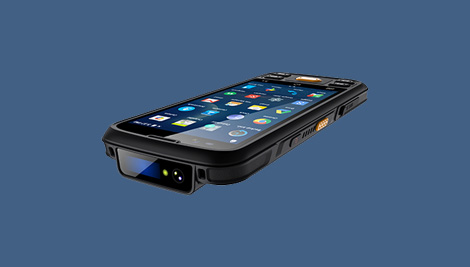
1. Multi-Dimensional Data Collection & Standardized Recording
A core function of power inspection PDA data loggers is building a comprehensive data acquisition system. The device integrates high-precision sensor modules to collect critical parameters such as equipment temperature, vibration frequency, current, and voltage in real-time. Inspectors can complete data entry via the device's touchscreen, and the system automatically generates electronic inspection forms compliant with industry standards, replacing traditional paper records.
The device supports barcode and QR code rapid identification. Inspectors simply scan the equipment identification code to automatically retrieve device archive information. For special inspection scenarios, the device offers customizable data templates, allowing dedicated detection items to be set based on different equipment types, ensuring standardized and complete data collection.
2. Real-Time Data Transmission & Cloud Collaboration
Regarding data transmission, power inspection PDA data loggers demonstrate strong network adaptability. The device supports real-time transmission via 4G/5G networks, synchronizing collected data to the backend management system. In areas with weak network signals, the device automatically activates a local caching mechanism, resuming data upload once the network recovers, ensuring data integrity.
Deeply integrated with power inspection management systems, the device supports real-time inspection plan push. Managers can remotely assign inspection tasks via the backend system; the device instantly receives and displays task details, including inspection routes, detection items, and safety prompts, enabling visual control of the inspection process.
3. Industrial-Grade Protection & Long Battery Life
Considering the complex environments of power inspections, the device features IP65 protection rating, 1.5-meter drop resistance, and stable operation from -20°C to 60°C. Its housing uses anti-static materials with sealed interface designs, effectively resisting dust and water ingress, suitable for substations, cable tunnels, and various other work scenarios.
For endurance, the device is equipped with a 5000mAh removable battery supporting hot-swapping. A single battery lasts over 10 hours, meeting all-day inspection needs. It supports fast charging technology, reaching 80% capacity in just 30 minutes, ensuring continuous inspection work.
4. Intelligent Operation & Ergonomic Design
The device runs a professional-grade inspection OS with an interface layout tailored to power inspection habits. The main screen integrates core modules like device status monitoring, task management, and data query, supporting customizable quick menus. It features a 5.5-inch HD display, clearly visible under strong light, with stable touch sensitivity in glove mode.
For specific power inspection needs, the device integrates a powerful flashlight function (up to 200 lumens). Physical keys are ergonomically designed, with important function keys raised for easy operation with gloves. Weighing under 350 grams, its clip-on design allows flexible attachment to inspection bags or work clothes.
5. Data Security & System Compatibility
For data security, the device employs national-grade encryption algorithms for dual-layer encryption protection during transmission. It supports local encrypted data storage with multi-level permission management, ensuring sensitive data is accessible only to authorized personnel. A built-in security chip prevents unauthorized tampering and data leaks.
Compatible with mainstream power management systems, the device supports IEC61850, CDT, and other communication protocols. It provides standard API interfaces for seamless integration with existing enterprise systems. Bluetooth 5.0 technology enables connection to portable printers, infrared thermometers, and other peripherals, forming a complete mobile inspection solution.
6. Customizable Function Expansion
To meet diverse scenario demands, the device offers modular expansion options. Optional RFID read/write modules enable full lifecycle asset management. Integrated high-sensitivity microphones support voice inspection recording, automatically converting speech to structured data. NFC technology allows quick device authentication and data exchange.
By integrating innovative data acquisition technology, reliable industrial design, and intelligent management systems, power inspection PDA data loggers are reshaping power inspection workflows. They not only enhance inspection efficiency but also provide robust guarantees for electrical equipment safety through standardized, digital management. As technology evolves, this professional device will play an increasingly vital role in the intelligent transformation of the power industry.