

In the wave of digital transformation, traditional manual meter reading models—plagued by inefficiency, high error rates, and soaring costs—are increasingly inadequate for modern energy management needs. The emergence of Portable Data Collector Handheld Terminal PDA, which integrates IoT, artificial intelligence, and edge computing technologies, is reshaping the entire smart metering process, driving innovative solutions for public utility management.
I. Technological Innovation: Leap from Manual to Intelligent
1.Breakthroughs in Hardware Architecture
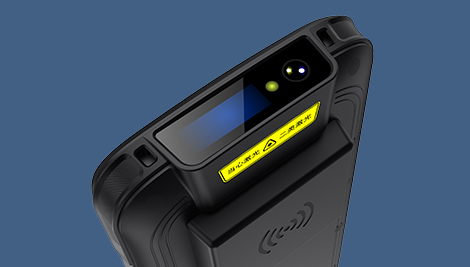
Portable Data Collector Handheld Terminals feature industrial-grade designs, incorporating high-precision sensors, multi-mode communication modules, and embedded chips. For instance, built-in ultra-compact sensors capture meter readings in real time with an accuracy error within ±0.01%, while supporting IP67 dust and water resistance and 1.5-meter drop resistance to ensure stable operation in extreme conditions like high temperatures, humidity, and dusty environments. The high-performance processor completes multi-dimensional data cross-analysis in 0.8 seconds, dynamically adjusting data collection strategies to enhance accuracy.
2.Integration of Communication Technologies
By supporting 4G/5G, NB-IoT, LoRa, and other communication protocols, the device adapts to diverse network environments. In public network blind spots, signal repeaters or gain antennas extend communication range, ensuring real-time data transmission. For example, in remote mountainous areas, LoRa technology enables long-range, low-power transmission, with a single gateway covering a 3-kilometer radius, solving the "last mile" challenge of traditional metering.
3.Empowerment via Edge Computing and AI
Edge computing deploys AI capabilities to the terminal, enabling data preprocessing and anomaly recognition without cloud dependency. It automatically identifies meter readings and filters interference factors (e.g., dial stains, rust), achieving over 99% recognition accuracy. This localized processing reduces bandwidth reliance and ensures data security through end-to-end encryption.
II. Application Scenarios: Rebuilding the Smart Metering Ecosystem
1.Automated Management in Public Utilities
In sectors like electricity, water, and gas, handheld terminals replace manual door-to-door meter reading. Workers simply scan meters with the device, and data auto-uploads to management platforms, enabling "zero-contact" metering. For instance, a city water supply system using this device increased meter reading efficiency by 80% and reduced labor costs by 90%. The device also monitors usage anomalies in real time, such as triggering alerts for sudden nighttime water consumption spikes, helping users detect leaks promptly.
2.Precise Collection in Complex Environments
In industrial settings, the device operates reliably under extreme conditions like high temperatures, high pressure, and strong electromagnetic interference. For example, explosion-proof terminals in chemical parks use intrinsic safety designs for hazardous areas, while monitoring parameters like pipeline pressure and flow, with algorithms predicting equipment failure risks. In building energy management, it supports multi-protocol compatibility (e.g., Modbus, BACnet), collecting data on water, electricity, and gas simultaneously to generate energy flow maps and nighttime consumption reports.
3.Emergency Response and Remote Maintenance
The device enables remote control and over-the-air (OTA) firmware updates, allowing managers to adjust collection strategies or fix system vulnerabilities via cloud platforms. In disaster scenarios, terminals quickly locate damaged equipment through BeiDou/GPS dual-mode positioning and environmental sensors, providing precise data for emergency repairs. For instance, post-earthquake, devices deployed via drones can scan meter statuses in disaster zones, aiding recovery planning.
III. Core Advantages of Portable Data Collector Handheld Terminal PDA: Comprehensive Improvements in Efficiency, Cost, and Experience
1.Efficiency Innovations
Traditional manual metering requires tedious door-to-door registration, hindered by environmental limitations. Handheld terminals streamline this with batch scanning and auto-upload, reducing meter reading time for a community from days to hours. For example, a power company using the device cut monthly reading cycles from 10 days to 3 days while achieving "zero-error" data. Offline data collection allows temporary storage in network-dead zones, with auto-sync upon reconnection, ensuring business continuity.
2.Cost Optimization
Automated collection slashes labor inputs and reduces billing disputes and maintenance costs caused by errors. For instance, a metropolitan water supply company saved over ¥2 million annually by combining IoT water meters with handheld terminals. The durable design (e.g., removable batteries, modular structure) further lowers long-term operation and maintenance costs, with battery life lasting 8-12 hours and supporting quick swaps for uninterrupted operations.
3.User Experience Enhancement
Companion mobile apps let users view real-time usage data, set consumption alerts, and receive personalized energy-saving tips. For example, users can check daily or weekly energy curves via the APP, compare historical data to optimize habits, and some devices even support remote control of water/valve switches for convenience. For elderly or special-needs groups, large-font interfaces and voice prompts reduce usage barriers.
Conclusion
Portable Data Collector Handheld Terminal PDA represents not just a "tool upgrade" for smart metering but a "paradigm innovation" in energy management models. Through technology integration, scenario expansion, and experience optimization, it is redefining the operational logic of public utilities. As IoT, AI, and edge computing deepen their penetration, such devices will evolve from mere data collectors to core nodes for intelligent decision-making, injecting new momentum into the sustainable development of smart cities. In this digital innovation journey, embracing technological advances and strengthening ecosystem collaboration are essential to achieving efficient, precise, and human-centric energy management.