

Amid the wave of digital transformation in the cultural tourism industry, traditional scenic spot ticketing models—plagued by low manual verification efficiency, data lag, and weak anti-counterfeiting capabilities—have become a bottleneck restricting the upgrading of tourist experiences and the refinement of operational management. The emergence of IoT data collector handheld PDAs, by integrating RFID recognition, biometric collection, 5G communication, and other technologies, constructs a full-scenario intelligent solution covering ticket verification, passenger flow monitoring, and emergency response, bringing innovative change from "manual extensive" to "data precision" for scenic area management.
I. Technical Architecture: Building an Intelligent Terminal Matrix for Ticketing Scenarios
(1) Fusion Innovation of Multi-Modal Recognition Technologies
IoT handheld devices integrate multiple verification modules such as QR code scanning, RFID chip reading, and facial recognition. Their industrial-grade scanning engine can accurately identify paper ticket QR codes and electronic ticket barcodes within 0.3 seconds, supporting close-range reading as low as 5cm and adapting to various carriers like paper tickets and mobile screen tickets. For RFID electronic tickets, the built-in 13.56MHz high-frequency antenna enables non-contact rapid read/write operations. With anti-collision algorithms, it maintains recognition accuracy even under passenger flow density of 30 people/minute.
The biometric collection function is achieved through infrared cameras and 3D structured light modules, supporting face information comparison within 0.5 seconds with a false acceptance rate below 0.001%. After introducing this device, a historical cultural scenic area reduced the verification time for annual card users from 8 seconds (traditional manual) to 1.2 seconds, increasing single-channel passage efficiency by 400% during peak hours, effectively alleviating entrance congestion during holidays.
(2) Construction of Full-Scenario Communication Capabilities
The device supports multiple communication protocols including 4G/5G cellular networks, Wi-Fi, Bluetooth, and NFC, allowing intelligent switching based on the scenic area's network environment. In core tour areas, the 5G module achieves millisecond-level data transmission, ensuring real-time synchronization of ticketing information to the management platform. In remote mountainous areas or signal blind spots, the device automatically switches to Bluetooth Mesh networking mode, aggregating data via relay nodes deployed in the scenic area and uploading to the cloud through LoRa technology, addressing the pain point of data lag in traditional offline devices.
(3) Scenario Adaptation of Industrial-Grade Hardware
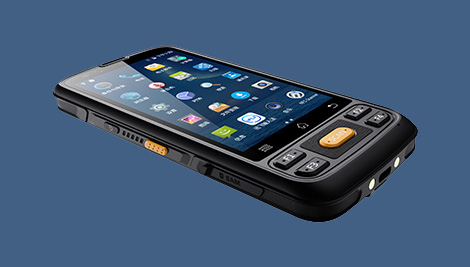
For complex outdoor environments in scenic areas, the handheld PDA adopts an IP65 dustproof and waterproof design, operating stably within a temperature range of -20°C to 60°C and resisting 1.2-meter drop impacts. The 5100mAh removable lithium battery supports 10 hours of continuous operation, and with dock-style fast charging stations, it achieves seamless endurance with "place and charge" functionality. The device's 5.99-inch capacitive touchscreen supports glove operation and clear display under strong light, meeting usage needs in extreme scenarios like winter low temperatures and summer intense sunlight.
II. Application Scenarios: Reshaping the Ecosystem of Scenic Area Operation Management
(1) Core Carrier of Intelligent Ticketing Systems
In the ticket verification process, the handheld PDA achieves "three-code integration" verification: simultaneously reading the ticket QR code, tourist ID card chip information, and dynamic authorization code from the booking platform, ensuring ticket authenticity through triple checks. After deploying this system, a theme park successfully intercepted over 300 counterfeit electronic ticket incidents, reducing annual ticket losses by 65%. For group tourists, the device supports batch reading functionality, connecting via Bluetooth to guide wristbands to achieve rapid group verification for 10+ people, increasing passage efficiency by 30%.
(2) Nerve Ending of Dynamic Passenger Flow Management
The built-in Beidou + GPS dual-mode positioning module accurately records verification time and geographic location. Combined with pressure sensor data, it generates real-time passenger flow heat maps for various areas of the scenic spot. By analyzing millions of verification data points returned by handheld devices, the management platform can precisely predict peak periods and automatically trigger channel diversion plans. For example, an ancient town scenic area used this system to control the instantaneous carrying capacity of core streets within safe thresholds, reducing congestion complaints by 70% during holidays.
(3) Mobile Gateway for Value-Added Services
The integrated NFC module supports electronic voucher redemption and VIP fast lane authorization. Tourists can complete integrated operations like "contactless payment + permission activation" for dining and souvenir purchases within the scenic area. A coastal scenic area utilized this function to launch "scan to enter + automatic activation of yacht experience vouchers," increasing secondary consumption conversion rates by 25%. The device also supports voice interaction functionality, leveraging the built-in intelligent customer service system to answer tourist inquiries in real time, reducing pressure on manual customer Service.
III. Core Value: Triple Upgrade of Efficiency, Experience, and Security
(1) Exponential Improvement in Operational Efficiency
Traditional manual ticketing requires 3-5 people per channel, with hidden costs like scheduling management and training. IoT handheld devices enable single-person single-device operation, with each device capable of verifying over 3,000 people per day—equivalent to the workload of five skilled ticketing staff. A 5A-level scenic area introduced 100 devices, reducing ticketing staff by 40% and saving over 2 million CNY annually in labor costs. The offline verification mode supported by the device can temporarily store 20,000 data entries during network interruptions, automatically synchronizing once the network recovers to ensure business continuity.
(2) Comprehensive Optimization of Tourist Experience
The "contactless verification" function compresses the traditional "queue - present ticket - wait" process into a 2-second closed loop of "scan - pass," reducing average peak-hour queuing time from 30 minutes to 8 minutes. For elderly tourists, the device supports direct ID card reading and manual assistance modes, featuring a large 72-size font interface and voice broadcast function, reducing operational error rates by 85% among those aged 60+. The full-process management of electronic tickets further achieves a digital closed loop from "purchase - verification - consumption - evaluation," allowing tourists to view their travel trajectory and consumption records in real time via a mini-program.
(3) Multi-Dimensional Protection of Ticketing Security
The IoT data collector handheld PDA system adopts the national cryptographic SM4 encryption algorithm for end-to-end encryption of ticket data, preventing tampering and forgery. The built-in hardware security chip real-time verification software integrity, resisting malicious program attacks. Through dynamic QR code technology (updating automatically every minute) and biometric binding, it technically prevents violations like "one ticket multiple uses" and "using others' tickets." Data from a scenic area showed that after device deployment, ticket misuse rates dropped from 1.2% to 0.001%, and ticketing audit efficiency improved by 60%.
IV. Future Trends: Evolution from Terminal Device to Ecological Platform
(1) Deep Integration of Full-Domain Data
Future handheld devices will integrate more sensor modules, such as environmental monitoring (temperature, humidity, PM2.5), passenger counting (via infrared arrays), and device status perception (energy consumption monitoring), forming a "digital twin" foundation for scenic area operations. Through edge computing technology, devices can perform data cleaning and feature extraction locally, uploading effective data to the cloud, improving decision response speed from minutes to seconds.
(2) Unlimited Extension of Business Scenarios
With the deepening of cultural and tourism integration, handheld devices will become carriers for cultural dissemination in scenic areas. Through AR image recognition, devices can automatically push attraction explanations and cultural activity information during ticket verification. Combined with LBS technology, they enable precise "attraction guidance + consumption recommendation" services. A historical scenic area piloting the "AR interpretation of cultural relic tickets" function saw tourist stay times extension by 1.8 hours and sales of cultural derivative products grow by 40%.
(3) Co-Construction and Sharing of an Open Ecosystem
Devices will support more third-party application integrations, forming a "hardware + platform + service" ecosystem. For example, interfacing with hotel booking systems to achieve seamless "room key as ticket" integration; connecting with travel agency management systems to automatically verify group tourist lists and synchronize insurance. Through open API interfaces, scenic areas can customize exclusive functional modules based on their needs, building differentiated smart management systems.
Conclusion
The IoT data collector handheld PDA is not merely a tool upgrade for scenic spot ticketing but a critical infrastructure for the digital transformation of the cultural tourism industry. It addresses traditional management challenges through technological innovation, reshapes service processes with data flow, and enhances operational efficiency while creating smarter, more convenient travel experiences for tourists. With the deep integration of 5G, AI, and IoT technologies, such intelligent terminals will evolve from single verification devices into "digital nerve endings" for scenic area operations, propelling the culture and tourism industry toward an era of smartification characterized by "precision services, scientific decision-making, and value co-creation." For scenic areas, embracing this technological innovation is not only an inevitable choice for enhancing competitiveness but also a core key to winning tourists' minds in the experience economy era.