

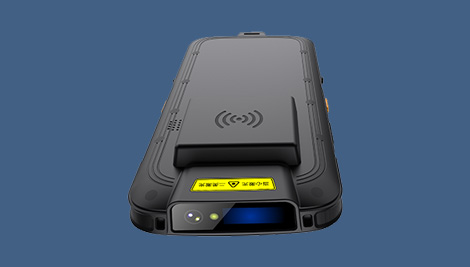
Behind the efficient operation of the medical system, medical waste management is an "invisible defense line" that cannot be ignored. From infectious waste to sharp instruments, pathological specimens to chemical agents, standardized disposal of medical waste directly impacts public health security and environmental risk control. However, traditional management modes relying on manual records, paper logs, and empirical judgment can no longer meet modern healthcare institutions' demands for precision, traceability, and efficiency. In this context, smart handheld PDA terminals are becoming critical tools for digital transformation in medical waste management due to their portability, real-time capability, and intelligent features.
I. Core Challenges and Digital Needs
The medical waste management chain involves six key nodes: generation, classification, collection, temporary storage, transportation, and disposal. Traditional models face three major pain points:
Data Fragmentation & Information Lag: Manual registration causes illegible records/errors; data aggregation relies on post-event entry, failing real-time status updates.
Process Blind Spots: Dynamic tracking gaps exist in transfer paths (from departments → temporary storage → disposal); delayed response to anomalies.
High Compliance Risks: Strict classification standards lead to mixing errors due to human misjudgment, triggering safety hazards.
Digital transformation aims to achieve "full-process visibility, full-element traceability, and full-link control" through technology. Smart PDAs—equipped with barcode scanning, wireless transmission, and GPS tracking—fill these technical gaps.
II. Technical Advantages & Application Scenarios
1. Hardware Adaptability
Industrial-grade durability (IP65+/alcohol-resistant/drop-proof)
8-12hr battery for high-intensity use
Ergonomic design for one-handed operation
Multi-modal data capture (1D/2D barcode + RFID)
2. Software Capabilities
AI-assisted waste classification with voice prompts
Dynamic route optimization based on real-time conditions
Instant data sync via Wi-Fi/4G/5G
Role-based access control with audit trails
III. Four Core Application Scenarios
1. Source Classification & Weighing
Scan patient wristbands/waste bags → auto-record type/time/responsible person.
Bluetooth scales reduce weight errors by 87% in pilot hospitals.
2. Real-time Transportation Monitoring
GPS tracks routes; alerts for deviations → 40% efficiency gain.
3. Smart Temporary Storage
PDA syncs with smart cabinets/floor scales → auto-replenishment alerts.
4. Disposal Verification
Scan codes to validate waste data → blockchain-backed "end-to-end traceability".
IV. Quantified Value (Data-Driven Results)
Metric Improvement
Operational Steps ↓ 30%+
Data Aggregation Time ↓ 80%
Misclassification Rate ↓ to 0.01%
Emergency Response Time ↓ to 15 min
V. Future Evolution: From Tool to Ecosystem
Integration with HIS/LIS & blockchain for tamper-proof records
Predictive maintenance using usage analytics
Sustainable design with recyclable materials
Conclusion
Smart PDAs transform medical waste management from experience-driven to data-driven, building a digital safety net across the entire chain. As IoT and big data evolve, PDAs will become indispensable "neural terminals" in smart healthcare ecosystems.