

Amid growing concerns about food safety, anti-counterfeiting traceability systems in the livestock, aquatic, and fresh product industries have become crucial for protecting consumer rights and enhancing brand trust. Warehouse PDA handheld terminals, as vital tools in modern supply chain management, play an irreplaceable role in anti-counterfeiting traceability scenarios due to their efficiency, accuracy, and portability. This article deeply analyzes the application value of warehouse PDAs in the livestock, aquatic, and fresh product sectors from a functional perspective, providing technical references for enterprises to build transparent and trustworthy traceability systems.
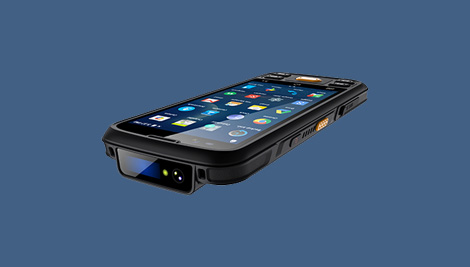
I. Core Functions Analysis: How Warehouse PDAs Support Anti-Counterfeiting Traceability
Data Collection & Real-Time Upload: Building Full-Chain Data Loops
Warehouse PDAs excel in robust data collection and real-time transmission. Equipped with barcode scanning, RFID, or NFC technology, they quickly read unique identifiers on animal ear tags, aquaculture labels, or product packaging. Examples:
Livestock: Scan electronic ear tags to record birth dates, vaccinations, and feed usage; link live animals to processed products via meat labels during slaughter.
Aquatic/Fresh Products: Track fishing times, temporary rearing conditions, and cold-chain temperatures from farm to table.
All data uploads to cloud databases via 4G/5G/Wi-Fi, creating tamper-proof traceability chains that eliminate manual errors and data silos.
Multi-Modal Data Association: End-to-End Traceability
PDAs enable multidimensional data binding, integrating physical entities with digital information:
Biological Data: Link livestock DNA samples to genetic test results and health records.
Environmental Data: Sync with sensors to monitor cold-chain temperature/humidity, triggering alerts for anomalies.
Geolocation: Record origin coordinates and transport routes via GPS/BeiDou, allowing consumers to verify "geographic IDs" by scanning codes.
Full-Chain Traceability: Rapid Problem Identification
During food safety incidents:
Forward Tracing: Trace finished products back to raw material batches and production details.
Reverse Tracing: Locate all affected products via batch numbers.
Visualized Tracing: Generate dynamic reports (timelines/flowcharts) for consumer-friendly queries.
Environmental Durability: Harsh Condition Resilience
Designed for demanding environments:
IP65+ rating resists mud, water, and freezer temperatures.
Ruggedized shells withstand 1.5-meter drops in slaughterhouses/processing plants.
10+ hour battery life with fast charging for long-haul cold-chain logistics.
Multi-Scenario Adaptability: End-to-End Coverage
Modular PDAs flexibly serve all business stages:
Farming: Offline data collection with auto-sync when online.
Processing: Integrated weighing, labeling, and printing.
Logistics: DWS (Dimension-Weight-Scanning) systems for efficient shipments.
Retail: Dynamic traceability codes for product "ID" verification.
II. Application Scenarios: Empowering Industry Upgrades
Livestock Industry: "Farm-to-Sales" Traceability
Record feed/medication for organic certification.
Scan carcass barcodes to track retail cuts per animal.
Monitor cold-chain temperatures in real time.
Aquatic Industry: Combating Fraud & Losses
Bind pond IDs/seedling dates to fight counterfeit products (e.g., fake crab).
Log temporary rearing durations in wholesale markets.
Verify import documents at ports to prevent mislabeling.
Fresh Retail: Transparent Consumer Experience
Scan delivery notes and labels to block expired goods.
Update shelf-life data for markdown management.
Print dynamic traceability codes for consumer scans
III. Technical Advantages & Industry Value of Warehouse PDA Handheld Terminals
Efficiency Innovation
Replace manual recording with mobile data collection, reducing operational time by 60%.
Integrated barcode/RFID scanning accelerates inventory counting by 3x.
Data Credibility
Blockchain-encrypted data upload ensures tamper-proof traceability records.
GPS/BDS geo-tagging provides verifiable "origin certificates".
Cost Optimization
Reduce food recall costs by 75% through precise batch tracking.
Cut cold-chain loss rates by 40% with real-time environmental monitoring.
Brand Empowerment
Dynamic traceability QR codes enable consumers to verify product journeys (e.g., scan-to-view farming videos).
Enhance brand trust: 85% of consumers prefer traceable products.
Conclusion
As global food safety regulations tighten and consumer awareness rises, warehouse PDA handheld terminals have become indispensable in establishing transparent supply chains for livestock, aquatic, and fresh products. By enabling end-to-end data visibility, ensuring operational resilience in harsh environments, and empowering consumer engagement, these devices drive the digital transformation of the food industry while safeguarding public health.