

In the wave of intelligent transformation in automotive manufacturing, production management efficiency and data accuracy have become core elements of enterprise competitiveness. Automotive PDA (Personal Digital Assistant) data collectors, as mobile terminal devices specifically designed for industrial scenarios, are reshaping traditional production management models with their portability, high reliability, and specialized functions. This article analyzes the core functional modules of automotive PDA data collectors and their implementation value in process optimization, quality control, and resource allocation.
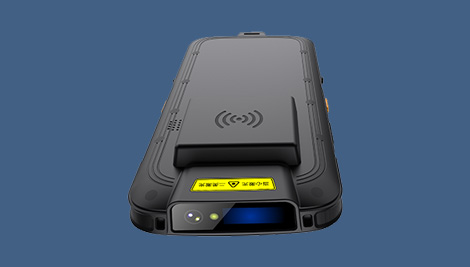
I. Real-Time Data Collection & Transmission: Building a Digital Foundation
Automotive production involves stamping, welding, painting, and assembly processes, each requiring massive parameter recording. Traditional manual methods face challenges like data delays and poor traceability. PDA data collectors enable transformation through:
Multi-Modal Data Interfaces
High-precision barcode/QR/DPM code scanning for VIN/engine identification
Industrial RFID readers for contactless part tracking in assembly lines
Physical keys + touchscreen operation for complex environments
Anti-Interference Data Transfer
Industrial Wi-Fi 6 & Bluetooth 5.0 for stable communication in metal-rich facilities
Offline caching with automatic MES synchronization upon reconnection
AES-256 encryption for production data security
Real-Time Validation
Built-in logic rules to flag anomalies (e.g., torque deviations)
Dual-color indicators/vibration alerts for instant operator correction
II. Visual Production Monitoring: From Black Box to Transparent Workshop
Mobile Dashboards
Real-time display of order progress, equipment status, defect rates
Multi-dimensional filtering by workstation/team/production line
Proactive Alerts
Threshold-based alerts for welding/painting parameter deviations
Andon system integration for one-touch technical support requests
Digital SOPs
Model-specific work instructions with images/videos on 5.5" HD screens
Multi-language switching via QR scanning
III. Quality Traceability: Full Lifecycle Management
Batch-Level Tracking
Records 20+ attributes: supplier, production date, inspection reports
Time-axis visualization of part movement to specific stations
Defect Analysis
Mandatory defect photo/description logging for structured data
Automated Pareto/fishbone diagrams via QMS integration
Electronic Repairs
Scan-to-dispatch spare parts with automatic inventory deduction
Digital repair history archives
IV. Smart Warehousing & JIT Logistics
Dynamic Inventory
Real-time blind/cycle counting with shelf barcode matching
Highlighting of obsolete materials based on turnover rates
Picking Optimization
PDA-guided optimal paths synchronized with production rhythms
Light-directed picking system integration
AGV Coordination
Material request dispatching to WMS
QR confirmation for AGV task closure
V. Predictive Maintenance
Digital Checklists
50+ inspection items (lubrication, fastening, temperature)
NFC verification to prevent false records
Condition Monitoring
Vibration/temperature sensors for wear trend analysis
Infrared modules for motor/bearing hotspots
Consumable Management
Usage counting for cutting tools/molds
Automatic replenishment triggers at safety thresholds
VI. Carbon Footprint Tracking
Energy Monitoring
Modbus-based electricity/gas metering per production line
Carbon intensity metrics per output unit
Consumption Alerts
Baseline comparison to detect leaks/energy waste
PDCA cycle recommendations for continuous improvement
Conclusion: The Mobile Future of Automotive Production
Automotive PDA data collectors have evolved from data entry tools into the central nervous system connecting physical workshops and digital systems. Their value extends beyond efficiency gains to enabling comprehensive production networks. With 5G and industrial IoT integration, future PDAs will incorporate edge computing for real-time decision support. Selecting adaptable PDA solutions with open interfaces remains crucial for building competitive smart factories.