

In electronics manufacturing, warehouse logistics efficiency critically impacts production scheduling and supply chain agility. As mobile data capture devices, industrial PDA scanners enable precision management through specialized functionalities. This article examines their core capabilities and implementation strategies for comprehensive material tracking.
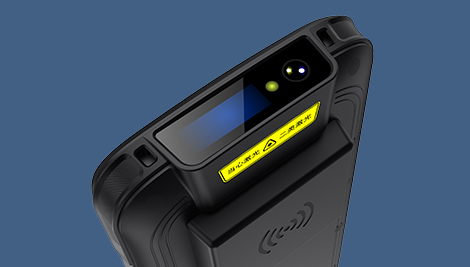
1. Foundational Functionality: Digital Backbone for Electronics Warehousing
1.1 Multimodal Data Capture
Barcode and RFID dual-tagging systems are standard in electronics plants. PDA units integrate advanced scanning modules to achieve:
1D/2D Barcode Reading: Supports Code128/QR Code at 50 scans/sec
UHF RFID Batch Capture: Reads 300+ item tags within 25-meter radius
DPM Code Detection: 99.9% accuracy for laser-etched PCB markings via adaptive algorithms
1.2 Ruggedized Industrial Design
Built for harsh manufacturing environments:
IP65/IP67 waterproof/dustproof with 1.5m drop resistance
ESD protection meeting IEC 61340-5-1 standards
Operational range: -20°C to 60°C (SMT-compatible)
Real-world testing shows 99.8% scan reliability at 85% humidity.
1.3 Seamless System Connectivity
4G/5G and Wi-Fi 6 enable:
5-second WMS inventory updates
RESTful API integration with SAP/Yonyou
Edge-based data preprocessing
2. Advanced Implementation Scenarios
2.1 Component Management
PDA-driven solutions provide:
Automated FIFO enforcement with expiry checks
Precise counting for reel/tray packaging
Bluetooth environmental monitoring linked to batches
One display panel maker cut material waste 99%, saving $280K/year.
2.2 SMT Line Optimization
Critical integrations include:
API-driven AGV routing optimization
Real-time feeder-MES alignment checks
Auto-replenishment triggers at stock thresholds
Results: 40% faster line changeovers, 65% less downtime.
2.3 Shipment Assurance
Multi-tier verification systems:
Container-content serial validation
HS Code auto-matching
Blockchain-secured e-signatures
3. Operational Transformation
3.1 Inventory Efficiency: Dynamic alerts reduced turnover days from 45→28
3.2 Quality Control: Full forward/reverse tracing cut defect analysis from 72h→2h
3.3 Workforce Productivity: AR-guided workflows boosted throughput 200% with 30% fewer staff
4. Future Development Vectors
AI Integration: Predictive maintenance and defect detection
Edge Intelligence: Offline processing and distributed computing
IoT Ecosystem: Modular sensor expansions and low-code customization
Industrial PDAs are evolving into smart factory command hubs. Selecting adaptable solutions with open architectures is pivotal for competitive electronics manufacturing.