

I. Technological Innovation: From Manual to Intelligent Leap
In the wave of smart city construction, traditional manual meter reading faces severe challenges. Industry research shows a 3% average error rate in traditional meter reading, with reading cycles typically lasting 15–30 days, making it difficult for water companies to monitor pipeline operations in real time. The emergence of handheld PDA data collectors has revolutionized this situation.
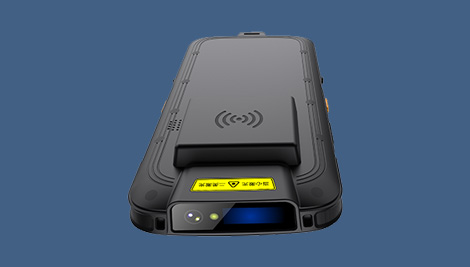
PDA devices integrate industrial-grade RFID modules, high-precision Beidou/GPS positioning systems, and IP65 waterproof/dustproof designs, enabling stable operation in extreme environments (-20°C to 60°C). Core advantages include:
Multi-modal Data Collection: Supports reading meter data via infrared, NFC, barcode, etc. Especially in old communities or underground meter pits, UHF technology enables non-contact readings within 8 meters.
Real-time Data Interaction: Built-in 4G/5G modules synchronize data to cloud servers instantly, improving efficiency by over 80% compared to manual logs.
Intelligent Anomaly Detection: The system presets usage thresholds; when daily water consumption exceeds 3 times the historical average, it triggers alerts to quickly locate leaks.
II. Application Scenarios: End-to-End Precision Management
Outdoor Meter Pit Reading
Field staff use PDA’s Beidou/GPS to auto-match work orders, scan QR codes for meter records, and upload meter photos + readings to the platform. One city reported 60% higher inspection efficiency and 90% faster hazard detection.
Indoor Meter Verification
For high-rises or malls, PDA connects to smart meters via Bluetooth without entering homes. Zero usage for 7 consecutive days triggers valve checks to prevent theft.
Emergency Repair Support
During disasters, PDA displays flooded meter status via GIS maps. Repair crews receive assignments and shorten response time by 40% with real-time pressure sensor data.
Customer Service Upgrade
Users view daily usage via WeChat mini-programs linked to PDA data. The system pushes conservation tips for abnormal usage and supports online payments (+35% satisfaction).
III. Value Reconstruction: Dual Breakthrough in Cost & Efficiency
Labor Cost Optimization
Daily readings per worker increase from 80 to 200 households. Pilot projects show 45% annual labor cost reduction per district.
Significant Leakage Control
Real-time monitoring reduces pipeline leakage from 12% to 7%. A mid-sized city (100K tons/day) saves 1.8M tons of water annually (worth ¥3M RMB).
Data Asset Mining
Usage data builds customer profiles for tiered pricing/conservation rewards. Industrial usage analysis aids production cycle prediction and government planning.
IV. Implementation Path: From Pilot to Scale
Standardization
Retrofit meters with e-tags for unique IDs. Integrate PDA with SCADA/billing systems (99.9% data consistency achieved).
Skill Retraining
"Theory + practice" training raises PDA adoption from 30% to 99.9%.
Risk Control
AES-256 encryption + blockchain audit logs ensure security. PDAs trigger GPS tracking after 30 minutes of inactivity.
Conclusion
Handheld PDA data collectors are not just tools but key drivers of digital transformation in water utilities. They enable efficiency gains, cost savings (¥3M/year), and data-driven ecosystems. Integrated with IoT/AI, PDAs will evolve into smart hubs for urban water management – shifting from resource supply to sustainable value creation.