

In the era of digital transformation, enterprises face mounting pressure to elevate operational efficiency, refine data management, and strengthen real-time responsiveness. PDA (Personal Digital Assistant) handheld devices have emerged as a pivotal tool in this revolution, offering robust functionality and versatile applications across logistics, retail, healthcare, manufacturing, and beyond. This article delves into the core value of PDA handheld devices, explores how they address user pain points, drive intelligent business process upgrades, and envisions their future trajectory.
I. PDA Handheld Devices: Definition, Technical Foundations, and Core Value
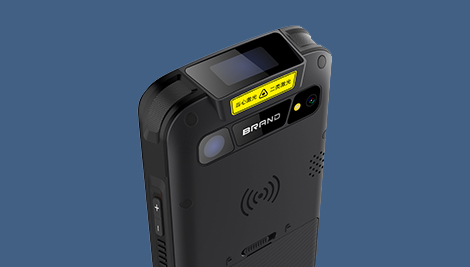
PDA handheld devices, tailored for industrial use, integrate data acquisition, processing, and transmission capabilities. Unlike consumer smartphones or tablets, they leverage advanced technologies such as barcode scanning, RFID (Radio Frequency Identification), and NFC (Near Field Communication) to enable rapid information capture and seamless data flow. Built on high-precision sensors, powerful processors, and optimized operating systems, these devices deliver reliable performance even in challenging environments.
Their primary value lies in dramatically boosting operational efficiency, minimizing human error, optimizing inventory management, and elevating customer service. By facilitating real-time data synchronization and intelligent analytics, enterprises gain actionable insights for strategic decision-making, securing a competitive edge in hyper-competitive markets.
II. Addressing User Pain Points: Real-World Applications and Proven Outcomes
Logistics Industry: Accelerating Cargo Tracking and Delivery Efficiency
In logistics, PDA handheld devices streamline warehouse management, sorting, and delivery processes. Scanning cargo barcodes provides instant access to inventory status, destination details, and more, enabling swift sorting and error-free deliveries. For instance, large warehouses report up to 300% faster sorting speeds and reduced misshipments using PDAs. Real-time data synchronization with backend systems ensures transparent, traceable logistics workflows, shortening processing times and enhancing customer satisfaction.
Retail Industry: Precision Inventory Management and Enhanced Shopping Experiences
Retailers leverage PDAs for stocktaking, real-time inventory updates, and personalized customer service. Staff can quickly retrieve product details, recommend items based on purchase history, and boost conversion rates. In apparel stores, PDAs enable associates to access customer preferences and purchase patterns, delivering tailored recommendations. Retailers also harness purchase data for targeted marketing campaigns, driving revenue growth.
Healthcare Sector: Ensuring Patient Safety and Quality Care
In healthcare, PDAs support patient identification, medication management, and electronic health record (EHR) access, reducing medical errors and improving efficiency. Surgeons rely on PDAs to review patient histories and surgical plans pre-operatively, ensuring safety and procedural success. In emergencies, the rapid response capabilities of PDAs can be lifesaving. Additionally, PDAs drive hospital-wide信息化management, elevating overall service quality.
Manufacturing Industry: Enabling Smart Production and Efficiency Gains
On manufacturing floors, PDAs act as "intelligent hubs," integrating with sensors and control systems to monitor production progress, equipment status, and quality metrics in real time. Workers receive digital work instructions, adjust parameters, and ensure product excellence. For example, automotive manufacturers use PDAs to scan component barcodes, auto-record production data, and feed insights into management systems for process optimization. PDAs also facilitate lean manufacturing practices, cutting costs and enhancing competitiveness.
III. Future Trends: The Evolution of PDA Handheld Devices
As IoT, big data, and AI technologies advance, PDA capabilities and applications will expand exponentially. Future devices will be more intelligent and customizable, tailored to industry-specific needs. Anticipated innovations include:
Enhanced Logistics Integration: PDAs with advanced sensors and predictive analytics for hyper-accurate cargo tracking.
Healthcare Innovations: Integration with wearables for remote patient monitoring and health management.
5G and Edge Computing: Ultra-fast data transmission enabling real-time remote collaboration and analytics.
AR/VR and Robotics Synergy: AR glasses paired with PDAs for immersive training and remote assistance; robot-mounted PDAs for automated material handling.
These advancements will unlock new applications in smart transportation, smart cities, and beyond.
IV. Conclusion
PDA handheld devices are catalysts for digital transformation, empowering industries to embrace efficiency, intelligence, and sustainability. For enterprises seeking growth and modernization, adopting PDA technology is a strategic imperative. By leveraging these devices, businesses can resolve current challenges, seize market opportunities, and pave the way for long-term success.
As technology evolves, PDA handheld devices will continue to redefine industries through innovation. We anticipate groundbreaking applications that drive profound operational and strategic advancements globally.